
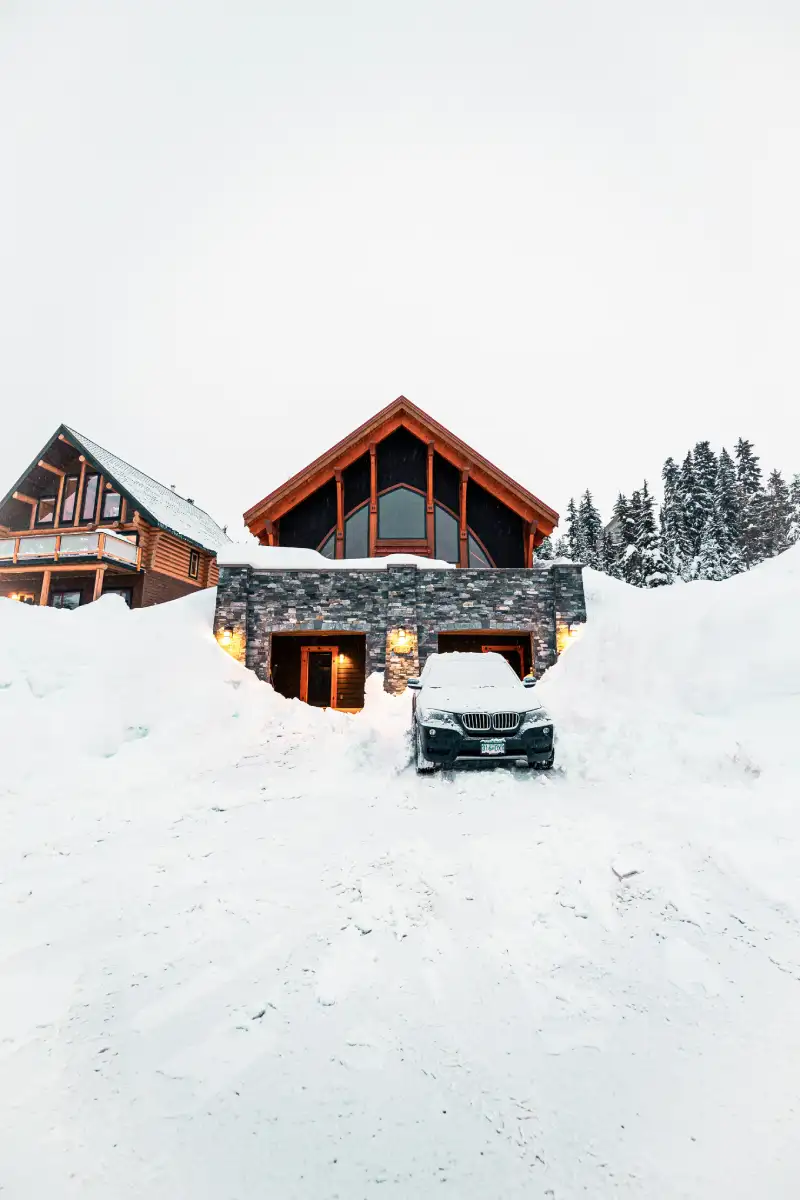
Mountain home preparation for summer, the process of systematically securing, shutting down, and protecting a seasonal property before an extended absence, should happen at least two weeks before your departure date. For homeowners in Park City and Heber City, Utah, that checklist covers five core areas: security, plumbing and water systems, HVAC, exterior, and remote monitoring. Skipping even one step can leave your home exposed to water damage, pest intrusion, or an undetected maintenance issue that escalates while you’re away.
Leaving a mountain property unattended through the summer is a different challenge than a standard vacation. UV exposure at elevation accelerates exterior wear. Afternoon thunderstorms can push water into gaps you didn’t know existed. And without eyes on the property, small issues, a slow pipe drip, an HVAC filter fire risk, a wildlife entry point become expensive problems by the time you return in the fall.
That’s why an increasing number of Park City and Heber City homeowners pair a thorough pre-departure checklist with a professional home watch service, someone with eyes on the property every week while you’re gone, who can catch problems before they become emergencies.
Secure the Property Before You Leave
Security is the first priority for any extended departure, not because break-ins are common in mountain communities, but because an unsecured home is also an unmonitored one. Start with the obvious: all doors locked, deadbolts engaged, and garage door sensors tested. Then move to the things most homeowners overlook.
Lock, Check, and Document
- Walk every window and door; including rarely used basement and garage entries
- Photograph the locked state of entry points before departure (useful for insurance documentation)
- Disable automatic garage openers if the property will be empty for more than 30 days
- Stop mail and package delivery or arrange for a neighbor or service to collect items
- Set interior lights on randomized timers; fixed schedules are a visible signal of vacancy
Smart home security systems with cellular backup are worth the investment for mountain properties specifically. Wi-Fi-dependent systems lose connection if the router cycles or the ISP has an outage; cellular backup ensures you still receive alerts even if the internet goes down.
Shut Down Water and Plumbing Systems Properly
Water damage is the single most expensive risk for unoccupied mountain homes. A slow drip that goes unnoticed for six to eight weeks can cause structural damage, mold, and subfloor rot that runs well into the tens of thousands of dollars. Proper shutdown takes less than an hour and eliminates nearly all of that risk.
Plumbing Shutdown Checklist
- Locate and shut off the main water supply valve, know where it is before you need it
- Drain all pipes by opening the lowest faucet in the house until the flow stops
- Flush all toilets and pour RV antifreeze into toilet traps and floor drains to prevent siphoning
- Disconnect supply lines to washing machines and ice makers, these are high-failure points
- Check the water heater: turn to ‘vacation mode’ or shut it down entirely if departing for more than 3 months
- Inspect under-sink areas for drips before departure and repair any slow leaks
For homes in Heber City where hard freezes can occur even in early summer nights, draining is especially important. The Wasatch Back sees temperature swings of 40°F or more between afternoon highs and nighttime lows in May and June, pipes that aren’t fully drained can still freeze in unexpected cold snaps.
HVAC, Insulation, and Air Quality
Mountain homes run HVAC systems hard. Elevation means thinner air and larger temperature swings, which accelerates filter clogging and strains components over a seasonal absence. Before leaving, do a complete HVAC service, don’t just adjust the thermostat.
HVAC Pre-Departure Steps
- Replace furnace and air handler filters, a clogged filter running on a programmed cycle is a fire risk
- Set the thermostat to 60°F minimum in summer (prevents mold from humidity fluctuation, not just freezing)
- Clean dryer vents and exhaust fans, lint accumulation is a fire hazard in vacant properties
- Schedule a seasonal HVAC inspection if the system is more than 5 years old
- Close fireplace dampers tightly, open dampers allow wildlife, debris, and moisture to enter
If you’re not comfortable servicing HVAC components yourself, a luxury home maintenance plan that includes seasonal inspections is the most reliable way to ensure everything is checked before and after your departure.
Exterior and Landscaping Preparation
The exterior of a mountain home takes a beating during summer: UV radiation at altitude is 25% more intense than at sea level, afternoon hail storms are common along the Wasatch Front, and wildlife activity peaks. A pre-departure exterior walkthrough takes 20 minutes and prevents thousands in deferred maintenance.
- Inspect the roof for loose or missing shingles photograph any damage for insurance comparison on return
- Clear gutters of pine needles and debris before departure; clogged gutters during summer storms cause foundation seepage
- Shut off and drain exterior irrigation systems and hose bibs
- Store or secure patio furniture, grills, and outdoor décor, afternoon wind gusts in the Park City area exceed 50 mph during summer storms
- Seal any visible gaps in the foundation or siding with weatherstripping or expanding foam — mice and squirrels actively seek shelter in vacant homes
- Check deck boards and railings for rot or loose fasteners; moisture from spring snowmelt accelerates wood deterioration at elevation
If you have mature trees near the structure, a quick arborist inspection before departure is worth scheduling. Dead branches over the roofline are a significant insurance liability during summer storms.
Smart Technology and Remote Monitoring
The last decade has dramatically changed what’s possible for absentee mountain homeowners. Smart locks, water shut-off sensors, temperature alerts, and camera systems now let you monitor a property from anywhere, but technology alone isn’t sufficient for true peace of mind.
Smart sensors can alert you that the temperature dropped below 50°F. They cannot call a plumber, walk through the property, or identify that a basement window was left unlatched. That’s where a professional home watch service closes the gap that technology leaves open. A dedicated home watch professional visits the property on a scheduled basis, walks the interior and exterior, and provides a written report giving you documented evidence that your home was checked and any issues were addressed before they escalated.
Technology Checklist Before Departure
- Test all smart home devices and confirm they’re connected to cellular backup, not Wi-Fi only
- Install a water leak sensor at the main shutoff, under sinks, and near the water heater
- Set temperature alerts on your smart thermostat for both high and low thresholds
- Confirm cameras have cloud storage enabled, local SD card recordings are useless if the device is stolen
- Share access credentials with your home watch provider so they can verify sensor readings during each visit
The Last 24 Hours: A Final Walkthrough Checklist
The night before departure, do one final walkthrough using this checklist:
- Water main shut off and all faucets drained
- All exterior doors and windows locked; deadbolts confirmed
- HVAC filter replaced; thermostat set to 60°F minimum
- All lights set to timer; no lights left permanently on or off
- Garage door tested and manually locked
- Mail and deliveries paused or redirected
- Smart sensors active and alerts sent to your phone
- Home watch schedule confirmed with your service provider
- Neighbor or trusted contact has emergency access information
- Photos taken of key areas for insurance baseline
Preparing your mountain home for a summer absence is straightforward when you work through it systematically. The homeowners we work with in Park City and Heber City who report the most stress-free departures have two things in common: they follow a written checklist, and they schedule a professional home watch service to keep eyes on the property while they’re gone. Together, those two steps cover everything technology can’t, and everything you might forget to check on your own.
Frequently Asked Questions About Mountain Home Preparation
What should I do to my mountain home before leaving for the summer?
Before leaving your mountain home for the summer, complete five core tasks: secure all entry points, shut off and drain the plumbing, service your HVAC system, prepare the exterior for storms and wildlife, and arrange for a home monitoring plan. The most commonly skipped step is arranging ongoing monitoring, which is where most preventable damage occurs on vacant properties.
How do I winterize a mountain home if I’m leaving in summer?
If you’re leaving your Heber City or Park City home during summer but the property will be vacant into fall, treat the departure like a partial winterization. Shut off the main water supply, drain all pipes, and set the thermostat to a minimum of 60°F to prevent mold and handle any early cold snaps. Full winterization, adding antifreeze to traps and draining the water heater, is recommended if the property will be empty past October.
How often should someone check on my vacant mountain home?
Industry best practice for vacant mountain properties is a professional walkthrough at least every 7 to 14 days. Some insurance providers require a minimum check-in frequency for vacancy coverage to remain valid, confirm your policy terms before departure. A written inspection report from each visit is important for both insurance purposes and your peace of mind.
Can I use smart home technology instead of a home watch service?
Smart home technology is an excellent supplement but not a complete replacement. Sensors can alert you to temperature drops, water leaks, and motion — but they cannot physically inspect the property, address minor issues on-site, or provide documentation of the home’s condition. A home watch service combined with smart sensors gives you both real-time alerts and a human response when something needs attention. For owners who also manage short-term rentals, a short-term rental property care plan can coordinate both monitoring and guest-ready turnover.
What is the biggest risk for mountain homes left vacant in summer?
Water damage is the leading cause of loss for vacant mountain properties, followed by wildlife intrusion and deferred maintenance that worsens without intervention. A slow plumbing drip undetected for 60 days can cause structural damage far exceeding the property’s insurance deductible. Systematic pre-departure preparation and scheduled monitoring visits are the two most effective preventive steps.