
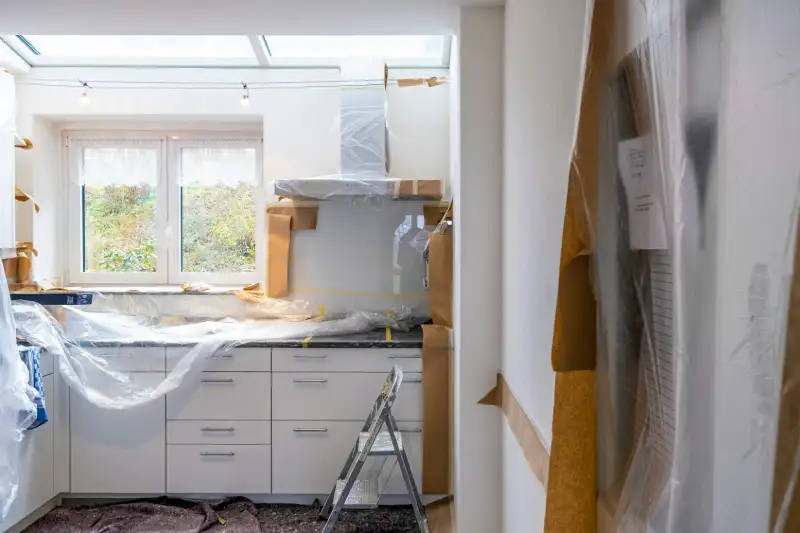
Post construction cleaning in Utah, the process of removing construction debris, dust, and chemical residue after a remodel, is one of the most overlooked phases of any home renovation project. Utah homeowners finishing a kitchen remodel, basement build-out, or whole-home renovation often assume a quick vacuum and wipe-down is sufficient. It isn’t. Drywall dust, silica particles, and volatile organic compounds (VOCs) left behind after construction can linger in your home’s air and surfaces for weeks, creating real health risks and potential liability exposure for property owners who skip professional cleanup.
At Xquisite Homes, we’ve completed post-construction cleanups across Park City, Heber City, and the surrounding Utah communities and we see the same overlooked hazards in nearly every job. This article walks through what’s actually left behind after a remodel, why it matters, and what a thorough post-construction cleaning service covers from start to finish.
The Hidden Health Hazards Left Behind After a Remodel
Most homeowners focus on the visible mess drywall scraps, sawdust, packaging waste. The more serious hazards are the ones you can’t see. Post-construction environments contain a layered mix of particulates and chemical compounds that standard household cleaning doesn’t address.
Drywall Dust and Silica Particles
Drywall compound contains calcium sulfate and, in older homes, potentially crystalline silica a known respiratory hazard classified by OSHA as a significant occupational risk. Fine drywall dust settles into HVAC ducts, on top of ceiling fan blades, inside cabinet hinges, and across every horizontal surface in the home. Breathing drywall dust over days or weeks can irritate airways and aggravate asthma or other respiratory conditions, especially in children and the elderly. In Utah’s dry climate, dust particles stay airborne longer than in more humid environments, compounding the exposure window.
VOCs and Off-Gassing from New Materials
Freshly installed flooring, cabinetry, paints, adhesives, and caulks all off-gas volatile organic compounds (VOCs) as they cure. Common VOCs include formaldehyde (from engineered wood and MDF), benzene, toluene, and xylene compounds linked to headaches, eye irritation, and long-term respiratory effects with prolonged exposure. According to the EPA, indoor VOC levels can be 2 to 5 times higher than outdoor levels after renovation work, and up to ten times higher in the immediate post-construction period.
HVAC Contamination
Construction dust doesn’t stay where it lands. Within 24 hours of completing work, your HVAC system begins recirculating fine particles throughout every room in the home including rooms that weren’t part of the renovation. Professional post-construction cleaning includes HVAC vent cleaning and filter replacement as a core step, not an add-on. Skipping this step means your air quality problem persists for months after the renovation ends.
Liability Risks Homeowners Don’t Anticipate
Beyond personal health, skipping post-construction cleanup creates tangible liability risks particularly for homeowners in Park City and Heber City who rent their property seasonally or plan to sell.
- Short-term rental liability: If you list your home on Airbnb or VRBO before completing professional post-construction cleanup, guests who experience respiratory symptoms or injury from debris may have grounds for a claim. Utah’s growing short-term rental market makes this a real concern for mountain-area homeowners.
- Real estate disclosure: Selling a home with undisclosed post-construction air quality issues can constitute a material omission under Utah disclosure laws. Documented professional cleanup provides proof of due diligence.
- Contractor vs. homeowner responsibility: Most general contractor agreements specify that final cleaning is the homeowner’s responsibility unless explicitly included in the contract scope. Don’t assume your contractor’s crew will perform the level of cleaning needed to make the space livable.
- Warranty voidance: Leaving construction residue on new flooring, countertops, or appliances can void manufacturer warranties. Abrasive drywall dust left on hardwood floors, for example, gets ground in underfoot and causes premature finish wear that most flooring warranties exclude.
What Professional Post-Construction Cleaning Actually Covers
A professional post-construction cleaning service goes well beyond what a standard deep clean addresses. At Xquisite Homes, our post-construction process in Park City and Heber City is structured in phases to ensure nothing is missed.
Phase 1: Rough Clean
The initial phase removes the bulk of construction debris drywall scraps, wood offcuts, packaging material, tape residue, and adhesive labels. This phase includes sweeping, vacuuming with HEPA-filter equipment (standard vacuums spread fine dust rather than capturing it), and removing any material the contractor’s crew left behind.
Phase 2: Detail Clean
The detail phase addresses the surfaces that construction crews and standard cleaning miss entirely: inside cabinet interiors and drawers, window tracks and sills, door jambs, baseboards, light fixture interiors, outlet covers, plumbing fixtures, and appliance surfaces. Every surface that will touch the homeowner’s belongings or skin is addressed in this phase.
Phase 3: Final Inspection and Touch-Up
The final phase involves a room-by-room inspection under bright lighting to identify any remaining dust, smear marks, paint overspray, grout haze, or adhesive residue. This is also when HVAC filters are replaced and vents are cleaned. The home is left in move-in ready condition, not “clean enough for construction” condition.
Why Post-Construction Cleaning in Utah Has Unique Considerations
Utah’s high-altitude, low-humidity climate creates specific post-construction challenges that homeowners in Park City and Heber City should understand. At 7,000+ feet of elevation, dry mountain air causes construction dust to remain airborne significantly longer than at lower altitudes fine particulates that would settle quickly in Denver or Salt Lake City can stay suspended for hours in Park City’s thinner air. This extends the contamination window and makes HEPA equipment essential rather than optional.
Mountain-area homes also face a unique challenge with seasonal temperature swings. Freshly applied finishes, caulks, and sealants respond differently to Park City’s freeze-thaw cycles and construction residue left on exterior surfaces or window seals can compromise weatherproofing during the first winter season after renovation. We’ve seen drywall compounds left in window tracks expand and contract enough to crack new weather stripping by spring.
Frequently Asked Questions About Post-Construction Cleaning in Utah
How long after construction is finished should I wait before cleaning?
You should begin post-construction cleaning within 24 to 72 hours of construction completion. Waiting longer allows fine particulates, particularly drywall dust and silica, to settle deeper into HVAC systems, soft furnishings, and surface finishes, making them harder to remove. Professional post-construction cleaning services typically coordinate a start date during the final week of contractor work to minimize the delay.
Is construction dust actually dangerous to breathe?
Yes. Construction dust contains a mix of hazardous particulates including crystalline silica (from drywall, concrete, and tile), wood dust, and fine chemical particulates from adhesives, paints, and finishes. Short-term exposure can cause respiratory irritation, eye and throat discomfort, and headaches. Prolonged exposure to silica dust is linked to silicosis, a serious lung condition. The EPA recommends vacating the construction area and using HEPA filtration during and after renovation work to reduce exposure.
What’s the difference between post-construction cleaning and a standard deep clean?
Post-construction cleaning specifically addresses the residues unique to renovation work: drywall dust, construction adhesives, paint overspray, grout haze, caulk residue, and HVAC contamination from airborne particulates. A standard deep clean does not include HEPA vacuuming, vent cleaning, or the specialized cleaning agents required to remove construction-specific residues without damaging new finishes. Using the wrong cleaning products on freshly installed surfaces can void warranties and cause premature wear.
Do I need to clean after every type of renovation, or only major remodels?
Post-construction cleaning is recommended after any renovation that involves cutting, sanding, painting, or installing new materials including smaller projects like bathroom tile replacement, hardwood floor installation, and cabinet refacing. Even smaller renovation projects generate fine particulates that spread beyond the work area and settle throughout the home via HVAC circulation. The smaller the project, the easier and more affordable the cleanup; the longer you wait, the more embedded the contamination becomes.
How much does post-construction cleaning cost in Park City or Heber City?
Post-construction cleaning costs vary based on the size of the home, the scope of the renovation, and the level of contamination present. The best way to get an accurate estimate for your Park City or Heber City property is to schedule a walkthrough with our team. Contact Xquisite Homes to request a post-construction cleaning service consultation and we’ll provide a detailed quote based on your specific project.