
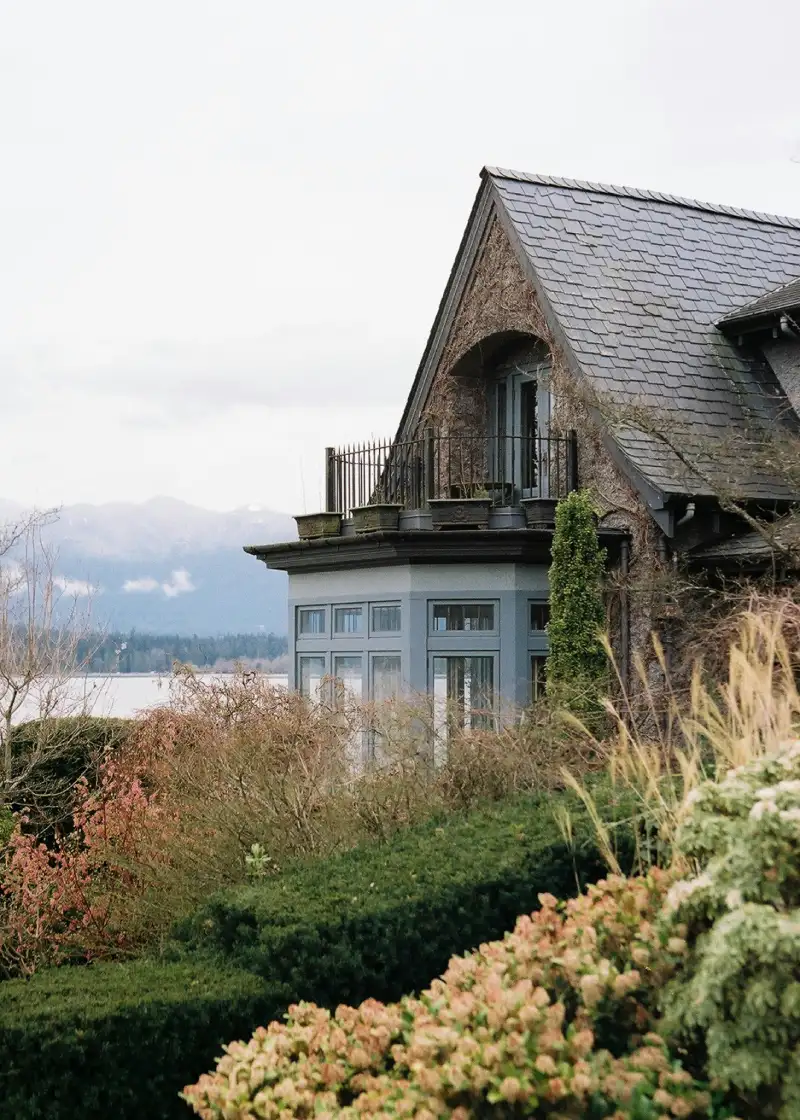
Home care in Park City during summer refers to the active monitoring, maintenance, and protection of residential properties particularly second homes and investment properties during the peak tourism season when owners are away for extended periods. Park City’s summer months bring elevated heat, intense UV exposure at altitude, increased wildlife activity, and utility systems running without supervision for weeks at a time. For second-home owners, understanding exactly what occurs inside and around an unoccupied property during this period is the first step toward protecting one of the most significant investments they own.
Park City draws millions of visitors each summer hikers and mountain bikers on the Wasatch trails, families at Park City Mountain Resort and Deer Valley, festival-goers, and outdoor enthusiasts from across the country. While that tourism energy is what makes owning property here so valuable, it also means the area is at full intensity from Memorial Day through Labor Day. Roads are busy, temperatures climb, wildlife is active, and the surrounding environment is operating at a level your home was not necessarily designed to handle without someone watching over it.
What follows is an honest look at what your Park City home actually faces during the summer months when it sits unoccupied and why the owners who protect their properties best are the ones who arrange for professional eyes on the ground before they leave.
Dust, Air Quality, and What Summer Heat Does to an Unventilated Home
An unoccupied home in a mountain environment does not simply sit still. Dust accumulation in a closed Park City property over a summer absence is more aggressive than most owners expect. At elevation, dry air carries particulate matter pollen, soil dust, and wildfire smoke from seasonal burns through microscopic gaps around windows, doors, and HVAC returns even when everything appears sealed. By mid-July, a home that was immaculate in May can have visible dust layering on surfaces, settled into HVAC filters, and coating furniture that was covered before the owners left.
The air quality dimension compounds the dust problem. Park City summers increasingly include periods of wildfire smoke from regional fires in Utah, Idaho, and Nevada. A home with a standard HVAC filter running in recirculation mode or worse, running continuously on an automatic thermostat can pull smoke particulate into ductwork and deposit it throughout the interior. Owners who return expecting a fresh mountain retreat sometimes find instead an HVAC system that needs a professional filter replacement before the home is comfortable to inhabit.
Humidity is the counterintuitive risk in a desert mountain environment. Park City’s monsoon season runs July through September, bringing afternoon thunderstorms and rapid humidity swings. An unventilated home can develop condensation on windows and interior surfaces during these humidity spikes, particularly in basements and bathrooms, which over a full summer of owner absence can create conditions favorable for mold and mildew development that go undetected until significant remediation is required.
UV Exposure and Heat Damage: What High-Altitude Summer Sun Does to Interiors
Park City sits at approximately 7,000 feet above sea level, and ultraviolet radiation intensity increases by roughly 4% for every 1,000 feet of elevation gain. Over a summer of direct sun exposure through south- and west-facing windows, that UV intensity visibly affects interior finishes, furnishings, and materials that would be far better protected at lower elevations, even with standard window treatments in place.
Hardwood floors are one of the most common casualties. Direct sun exposure causes uneven bleaching and fading along light paths, and the differential between sun-exposed and shaded sections of a floor can become visible after a single summer season. Area rugs and upholstered furniture face similar fading particularly materials in the lighter tones common to mountain-modern interiors. Artwork and photography are especially vulnerable: UV exposure degrades pigments and can cause irreversible color shifts in pieces that were not framed with UV-protective glass.
Interior temperature management adds another layer of risk. A Park City home left with blackout shades closed and a thermostat set at an economical temperature to reduce energy use while vacant can still reach interior temperatures well above the thermostat setpoint during afternoon sun exposure, particularly in upper-floor bedrooms and rooms with low-e window glazing that traps heat. Electronics, candles, certain finishes, and temperature-sensitive materials are at risk during these thermal spikes, and without anyone present to notice, the damage can be cumulative across the season.
Interior Surfaces Most Vulnerable to Summer UV and Heat
- Hardwood and engineered wood flooring along south and west window light paths.
- Upholstered furniture, particularly light linen, cotton, and performance fabrics.
- Artwork, photography, and decorative objects not behind UV-protective glass.
- Painted cabinetry and woodwork, heat cycling can cause expansion and micro-cracking.
- Rubber seals on appliances and cabinetry, dry heat accelerates deterioration.
Wildlife and Pest Intrusion: The Summer Risk Park City Owners Underestimate
Park City’s location at the edge of the Wasatch mountain range means that an unoccupied home is surrounded by an active wildlife ecosystem during summer months. Bears, deer, raccoons, squirrels, and various small mammals are all more active during summer and all are capable of finding entry points into a structure that its owners would never notice from a distance. This is not a fringe concern for remote cabins. It is a documented reality for well-maintained Summit County homes that are left unattended for more than a few weeks.
Bears are the most dramatic example, but they are not the most common intrusion risk. Squirrels and mice exploit gaps around utility penetrations, rooflines, and foundation vents that expand slightly with summer heat cycling. A single mouse entry in May can result in a significant infestation by August, with damage to insulation, wiring, and stored materials. Wasps and hornets build nests in exterior soffits, deck undersides, and window frames with remarkable speed; a nest that was absent at the June departure can be fully established and aggressive by the July 4th weekend.
The damage from an undetected intrusion compounds over time. A bird nesting in an exterior vent can block airflow to a dryer or bathroom exhaust, creating a fire hazard and moisture problem simultaneously. A mouse accessing a pantry area contaminates food stores and leaves evidence that surfaces elsewhere in the kitchen. Without someone performing regular walkthroughs, these intrusions have the entire summer to develop before the owner returns.
Common Entry Points to Inspect Before Leaving for the Summer
- Roofline gaps and soffits, primary entry point for squirrels and birds.
- Utility penetrations gas, electrical, and plumbing entry points through exterior walls.
- Foundation vents, standard mesh is inadequate against determined small animals.
- Deck and porch undersides dark, sheltered, and ideal for nesting wildlife.
- Garage door seals deteriorate with UV and heat exposure, leaving gaps at floor level.
Utility Anomalies: The Invisible Risks in an Unoccupied Home
Of all the summer risks a Park City second home faces, utility anomalies are the most financially consequential and the most preventable with regular professional monitoring. A slow water leak behind a wall, a sump pump that fails during a July thunderstorm, an HVAC system that loses cooling capacity and allows interior humidity to spike each of these events begins as a minor, addressable issue and ends as a major remediation project if no one catches it for six weeks.
Water is the primary utility risk. Park City’s monsoon season brings intense, localized rainfall that tests roof drainage, window seals, and foundation waterproofing. A small roof flashing gap that poses no problem during the dry spring can leak actively through the attic and ceiling during a sustained August storm. Without a professional walkthrough within days of a significant rain event, that moisture migrates into insulation, ceiling materials, and wall cavities before it ever reaches a visible stain on the ceiling, the sign that owners typically notice first.
HVAC systems in unoccupied homes are another common source of silent damage. A refrigerant leak that reduces cooling efficiency will cause the system to run longer cycles to maintain temperature, driving up utility costs and accelerating compressor wear but neither signal is visible to an absent owner. A blocked condensate drain line causes the overflow safety switch to shut the system down entirely, and without anyone to notice, interior humidity rises unchecked until the owner’s return.
Professional home monitoring while away provides the systematic, scheduled presence that catches these anomalies before they escalate. A trained home watch professional follows a documented inspection checklist on each visit, water intrusion, HVAC function, utility readings, exterior integrity, and signs of wildlife activity and communicates findings to the owner in real time so that small issues can be addressed remotely before they become expensive ones.
What Professional Home Care in Park City Actually Looks Like
The term ‘home watch’ describes a specific service category distinct from property management or vacation rental housekeeping. A home watch professional visits an unoccupied property on a regular schedule, weekly or bi-weekly, and conducts a documented interior and exterior inspection designed to identify and report any conditions that require attention. This is not a cleaning service or a maintenance contractor. It is a trained professional set of eyes whose entire purpose is to catch what can go wrong in an owner’s absence before it does real damage.
In Park City, where properties range from mountain condos to multi-thousand-square-foot luxury homes, a professional home watch visit covers the full scope of the risks outlined in this post. Interior inspections address HVAC function, water intrusion signs, pest evidence, and appliance status. Exterior inspections cover rooflines, drainage, wildlife entry points, and structural integrity after storm events. Every visit is documented with photos and a written report delivered to the owner creating a verifiable record and the confidence of knowing that someone who knows the property is watching over it.
For Park City second-home owners, the value of professional home care during summer is not just about preventing damage. It is about arriving at a property that is ready to enjoy, not one that needs a week of remediation, deep cleaning, and contractor calls before the family can settle in. The owners who invest in professional home watch service before leaving for the summer are the ones who return to a property that is in the same condition they left it.
Protect Your Park City Home This Summer Before You Leave
Park City’s summer season is one of the most beautiful and most demanding periods your property will face. The elevation, the UV intensity, the wildlife activity, and the weather patterns that make this area extraordinary are the same forces that put an unoccupied home under real, measurable stress from June through September. The good news is that every risk described in this post is manageable, with the right professional support in place before you leave.
Xquisite Homes provides professional home monitoring while away for second-home and luxury residential property owners in Park City and Heber City. Reach out before the summer season begins to discuss your property’s specific needs and arrange a monitoring schedule that gives you peace of mind and brings you back to a home that is exactly as you left it.
Frequently Asked Questions: Home Care in Park City During Summer
What is a home watch service and do I need one in Park City?
A home watch service is a professional program in which a trained inspector visits your unoccupied property on a scheduled basis, typically weekly or bi-weekly, to conduct a documented interior and exterior inspection and report any issues to the owner. In Park City, where second-home owners often leave their properties unattended for four to twelve weeks during summer, home watch service provides the systematic oversight that prevents small maintenance issues from developing into significant damage.
What are the biggest risks to a Park City home left empty during summer?
The four primary risk categories for unoccupied Park City homes during summer are dust and air quality accumulation driven by wildfire smoke and dry particulate; UV and heat damage to interior surfaces and finishes at high-altitude sun exposure; wildlife and pest intrusion through seasonal entry points; and utility anomalies, particularly water intrusion, HVAC failures, and drainage issues that escalate rapidly without professional detection.
How often should a home watch professional visit my Park City property?
Most home watch professionals recommend a minimum of bi-weekly visits for unoccupied properties, with weekly visits during peak summer months when weather events, wildlife activity, and UV exposure are most intense. Properties with swimming pools, complex HVAC systems, or histories of wildlife activity may benefit from more frequent visits. A professional home watch provider will assess your property’s specific characteristics and recommend an appropriate schedule.
Can UV damage really affect a Park City home interior in a single summer?
Yes, particularly for properties at Park City’s elevation of approximately 7,000 feet, where UV radiation is significantly more intense than at sea level. Hardwood floors along south and west window light paths, upholstered furniture, and artwork not protected by UV-filtering glass can show visible fading within a single summer season of direct exposure. Solar shades or UV-blocking window film, combined with professional monitoring to ensure shades are positioned correctly, are the most effective preventive measures.
What should I do before leaving my Park City home for the summer?
Before leaving for an extended summer absence, Park City home owners should arrange professional home watch monitoring, verify that HVAC filters are fresh and thermostat settings are appropriate for an unoccupied home, inspect utility penetrations and roofline gaps for potential wildlife entry points, install window coverings on south and west exposures to reduce UV impact, and ensure that drainage around the foundation is clear ahead of monsoon season. A professional home watch provider can conduct a pre-departure inspection and identify any conditions that should be addressed before you leave.
Does Xquisite Homes provide home watch services outside of Park City?
Yes. Xquisite Homes provides professional home watch and luxury home maintenance services in both Park City and Heber City, Utah. Both communities have significant second-home and investment property populations whose owners are away for extended periods during summer, and the risks of unoccupied home care apply equally across both markets. Contact Xquisite Homes to discuss your property’s location and establish a monitoring schedule before the season begins.